
Surviving The Winter
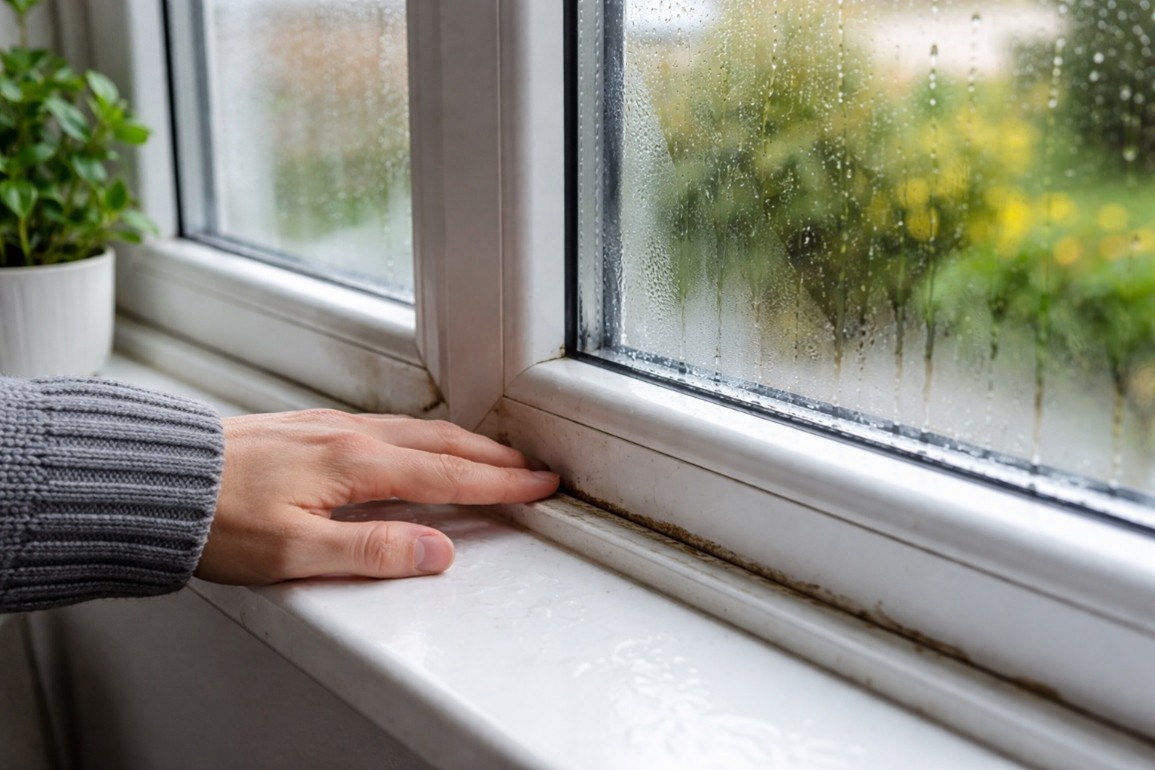
Signs Your Windows Didn’t Survive the Winter as Well as You Think
Winter can be tough on any home in the UK. Between freezing temperatures, heavy rain, strong winds and constant changes in moisture levels, your windows take more strain than you might realise. While everything may look fine at first glance, the effects of winter weather can quietly impact performance, efficiency and even the long term condition of your property.
As we move into spring, now is the ideal time to check whether your windows have truly come through the colder months unscathed. Spotting early warning signs can help prevent more serious issues later and ensure your home stays comfortable, secure and energy efficient throughout the year.
Draughts That Weren’t There Before
One of the most common signs that windows have been affected by winter is the sudden appearance of draughts. Cold weather can cause materials to contract, seals to weaken and frames to shift slightly over time. Even a small change can allow cold air to enter and warm air to escape.
If certain rooms feel harder to heat or you notice a chill near window areas, it could indicate that seals have deteriorated or that the window is no longer sitting as tightly as it should. This not only affects comfort but can also increase energy usage as your heating system works harder to compensate.
Condensation Between the Glass
Condensation on the inside of your home can sometimes be attributed to everyday activities, but condensation trapped between the panes of double glazing is a different matter altogether. This usually means the sealed unit has failed, allowing moisture to enter the gap that should remain airtight.
Winter conditions place additional stress on glazing units due to repeated expansion and contraction.
Once a seal breaks down, the insulating performance of the window is significantly reduced, making replacement or repair necessary to restore efficiency.
Difficulty Opening or Closing Windows
If your windows have become stiff, difficult to operate or no longer close smoothly, it may be a result of frame movement during colder months. Temperature fluctuations can cause materials to expand and contract repeatedly, which can affect hinges, locking mechanisms and alignment.
Windows that do not close properly can compromise both insulation and security. Addressing these issues early can prevent further wear on hardware and ensure everything continues to function safely and reliably.
Visible Damage to Seals or Frames
Take a closer look at the edges of your windows. Cracked sealant, peeling materials or small gaps may have developed over the winter period. These issues can allow moisture to penetrate, leading to gradual deterioration if left unattended.
Modern uPVC and aluminium windows are designed to withstand the British climate, but like any external feature of your home, they still require occasional inspection to ensure they remain in optimal condition.
Increased Outside Noise
If you have noticed that external sounds seem louder than they used to be, your windows may not be insulating as effectively as before. A reduction in acoustic performance often indicates that seals or glazing units are no longer performing at their best.
While this might appear to be a minor inconvenience, it can be an early sign that thermal insulation has also been compromised.
Higher Energy Bills Without Explanation
Many homeowners expect winter energy bills to be higher, but if costs remain elevated even as temperatures begin to rise, your windows could be contributing to ongoing heat loss.
Older or compromised glazing struggles to retain warmth efficiently. Upgrading or repairing affected units can make a noticeable difference in maintaining a stable indoor temperature and reducing unnecessary energy consumption.
Moisture or Mould Around Window Areas
Excess moisture collecting around windows can create an environment where mould develops, particularly if seals are no longer effective at keeping out damp air. This is often first noticed as discolouration around frames or on nearby walls.
Beyond appearance, prolonged moisture exposure can lead to structural concerns if not addressed.
Ensuring windows are properly sealed and ventilated helps protect both the property and indoor air quality.
Why Spring Is the Right Time to Check
Spring offers the perfect opportunity to assess any damage caused by winter weather. The milder conditions make it easier to identify issues, carry out adjustments and plan improvements before the demands of summer.
Addressing concerns now can also help avoid the busier installation period later in the year, when many homeowners begin renovation projects.
Repair, Adjust or Replace?
Not every issue requires a full replacement. In many cases, professional adjustments, resealing or replacing individual glazing units can restore performance effectively. However, if windows are older or showing widespread signs of wear, upgrading to modern energy efficient designs can offer long term benefits.
Today’s window systems are built with improved thermal efficiency, durability and security features, helping homes remain comfortable in all seasons while enhancing overall appearance.
Looking After Your Home All Year Round
Your windows play a vital role in protecting your home from the elements. After months of exposure to harsh winter conditions, even small signs of wear should not be ignored. A simple inspection can reveal whether everything is functioning as it should or if attention is needed to maintain performance.
For homeowners considering an assessment, advice or potential upgrades, Wheatley Windows & Doors provides expert guidance, repairs and installations tailored to each property. Taking action now can help ensure your home is ready not just for spring, but for many more seasons to come.